

Table of Contents
In a hurry? Here’s the best VPN for Iran in 2026:
- 🥇 ExpressVPN (63% off here in October 2026): Works extremely well in Iran since it changes the IPs of its servers really fast, and it also provides obfuscation on all servers. Plus, it has servers in 100+ countries (including many locations near Iran), it provides the fastest speeds on the market, and it has high-end online privacy and security features. And it comes with a risk-free 30-day refund too.

ExpressVPN
My life as a traveling content creator has frequently brought me to Iran. I've loved all my trips to Iran, and every time, using a VPN was absolutely mandatory. The censorship in Iran is quite strict, with many social media apps and websites (like YouTube and Whatsapp) completely blocked.
That's why I've put together this Iran VPN guide to help you as you travel to Iran. Because unfortunately, very few VPNs actually work in Iran. The government has many ways to block access to VPN services, and many providers can’t get around them. Plus, out of the few VPNs that do work in Iran, a lot of them provide poor security and slow speeds.
Fortunately, all of the VPNs on my list are guaranteed to work well in Iran. Not only that, but all of the providers I included in this article are extremely secure, fast, and easy to use. As of October 2026, ExpressVPN is still my favorite and is working great, especially since it has servers in 100+ countries (including many locations near Iran).
Quick Look at the Best VPNs for Iran in 2026:
- 🥇 1. ExpressVPN — Best Iran VPN in 2026 (provides excellent security and privacy + super-fast speeds).
- 🥈 2. PrivateVPN — Very good Iran VPN for torrenting (has both port forwarding & SOCKS5 proxy support).
- 🥉 3. PureVPN — Really good VPN for beginners (also maintains very fast VPN connection speeds).
- 4. Astrill VPN — Very good for hiding VPN usage (offers obfuscation via 2 proprietary protocols).
- 5. TunnelBear — Great free VPN for Iran (that also has very intuitive and fun-to-use VPN apps).
DISCLAIMER: Using a VPN might be illegal in Iran, and the government actively tries to block these services. According to most online sources, it’s only legal to use a VPN if you have a permit for it. And even if you have a permit, keep in mind that using a VPN to access blocked websites (like popular social media platforms) is against the law. So, I strongly recommend following the local laws when considering whether to get a VPN or not to avoid legal repercussions. That being said, I've used a VPN there many times and have never had an issue.
🥇 1. ExpressVPN — Best Overall VPN for Iran in 2026 ExpressVPN


 Key Features
 Apps
Apps


ExpressVPN is definitely the best VPN for Iran in 2026. It works consistently in Iran (and other restrictive countries, like China), and it also provides high-end security and privacy, super-fast speeds, and very user-friendly apps.
The VPN works so well in Iran since it refreshes its server IPs very often, which helps it avoid IP blocks. I asked the provider how often it changes its VPN server IPs, but it couldn’t give me a timeframe. But I ran 10 leak tests on 1 server, and each leak test always displayed a different IP address.
Also, ExpressVPN allows obfuscation on all servers and via all protocols. This security feature hides your VPN usage, by making VPN traffic look like regular internet traffic. This makes it very hard for the Iranian government to detect and block VPN connections.

And this VPN is also the fastest out there — it has servers in 100+ countries, including locations near Iran, like Kazakhstan, Uzbekistan, Israel, and Lebanon. In my tests, it always maintains blazing-fast speeds for browsing the web, downloading files, playing online games, and using VoIP apps. The provider also manages to achieve such super-fast speeds thanks to its proprietary Lightway protocol, which is designed to be extremely lightweight in addition to being ultra-secure.
Plus, ExpressVPN is also an extremely secure Iran VPN. It has a strict no-logs policy that has been independently audited several times, and also proven true in a server seizure in Turkey (government authorities weren’t able to find any user data on the server). Plus, the provider also has Advanced Protection, which is a security tool that blocks ads and keeps you safe from malicious websites. Also, it comes with ExpressVPN Keys, which is a password manager that secures your logins (you can use it to secure your accounts on Iranian sites).
Finally, this is also a really user-friendly VPN for Iran. It has apps for all major desktop and mobile platforms, and its apps are intuitive and make it very easy to find and connect to a VPN server to protect your data in Iran. Plus, you get access to Shortcuts, which is a feature that lets you set up 1-click app and site shortcuts that show up on your connection screen after you connect to ExpressVPN.
ExpressVPN is also affordable, with plans starting at $5.49/month — plus, its longest plan often includes additional months of service for free. What’s more, the VPN also backs all purchases with a 30-day money-back guarantee.
Highly recommended

ExpressVPN
Bottom Line: ExpressVPN is by far the best VPN for Iran. It works without issues in this country (and other restrictive countries too) since it refreshes its server IPs really fast, and also provides obfuscation. Plus, it provides high-end security and privacy, ultra-fast speeds, and very intuitive apps. Also, it backs all purchases with a 30-day refund.
Read my full ExpressVPN review
🥈 2. PrivateVPN — Great Iran VPN for Downloading Torrents PrivateVPN


PrivateVPN is an excellent pick for torrenting in Iran. First of all, the VPN works without issues in this country because its server IP refresh rate is really high, and it also provides obfuscation via its Stealth VPN feature (available on most of its apps).
The provider also allows P2P traffic on all servers, which are located in 60+ countries. In addition, it also comes with port forwarding and SOCKS5 proxy support — the first one lets you connect to more peers, whereas the second one hides your IP address but doesn’t provide encryption. So, both features boost your torrenting speeds.

Plus, I really like the VPN’s Application Guard feature — it’s an app-level kill switch, which means it shuts down selected apps if the VPN disconnects. I tested Application Guard with qBittorrent 5 times, and it always successfully closed the torrent client whenever I disconnected from PrivateVPN.
What’s more, PrivateVPN also maintains very good download speeds. I ran multiple speed tests by downloading a 12 GB file on both nearby and distant servers — on average, it only took me around 10–15 minutes to download it, which is really good. It also has servers near Iran (in countries like Israel, Cyprus, and Turkey), so it’s easy to use nearby servers to get fast speeds.
And I also think this Iran VPN is great for people new to VPNs. Its apps are really minimalist, as they don’t come with tons of features and settings to change — so, beginners won’t feel overwhelmed when using them.
PrivateVPN’s prices start at just $2.00/month, so it’s super cheap. In addition, the VPN also backs all of its plans with a 30-day money-back guarantee.
Highly recommended

PrivateVPN
Bottom Line: PrivateVPN is an excellent P2P VPN for Iran. The provider consistently works in Iran, and it also allows P2P downloads on all servers, and it also comes with port forwarding and SOCKS5 proxy support. What’s more, it maintains very good download speeds, it’s really secure, and it has a 30-day refund policy.
Read my full PrivateVPN review
🥉 3. PureVPN — Great User-Friendly VPN for Iran PureVPN
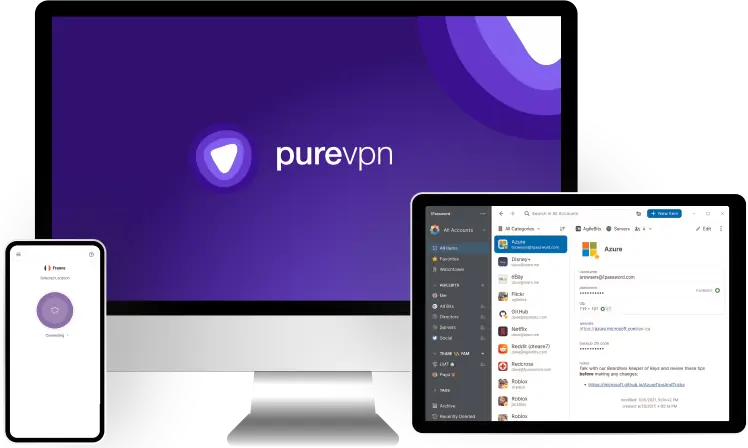
PureVPN is a great VPN provider for people who are new to VPNs. The VPN has apps for Windows, macOS, Linux, iOS, Android, and even smart TVs. It’s also extremely simple to install the provider’s apps — on average, it should only take up to 2 minutes.
I especially like how easy it is to find and connect to a server. The interface is very simple to navigate, so it shouldn’t take you more than 5–6 seconds to find and connect to a server. Plus, PureVPN also gets around internet censorship in Iran via obfuscation, which is conveniently automatically enabled when you use the OpenVPN protocol.

Plus, PureVPN also changes its server IPs super fast, which further helps it circumvent internet censorship and VPN blocks in Iran. And in addition to having a strict no-logs policy that has been independently audited, the VPN provider also made its no-logs operate on an “always-on” model. This means that a security firm can audit the provider’s no-logs policy without giving it a heads-up.
And the VPN provider is also extremely fast — In my speed tests, websites always loaded instantly when I accessed them, and most HD videos I watched loaded in less than 2 seconds and never buffered. Plus, it has 6,000+ servers in 65+ countries (including locations near Iran, like Turkey and Afghanistan), which helps you avoid overcrowded servers and use nearby locations to get the fastest speeds.
PureVPN comes with tier-based subscriptions, and its prices start at $2.14/month. And in addition to being really affordable, the VPN also has a 31-day money-back guarantee.
Highly recommended

Bottom Line: PureVPN is great for internet users who are new to VPNs. Its apps are really simple to install and use, and the VPN is also great at getting around internet censorship due to its fast server IP refresh rate and obfuscation feature. Plus, PureVPN has really fast speeds and a large server network, and it comes with a 31-day refund policy as well.
4. Astrill VPN — Good VPN With Several Obfuscation Methods Astrill VPN

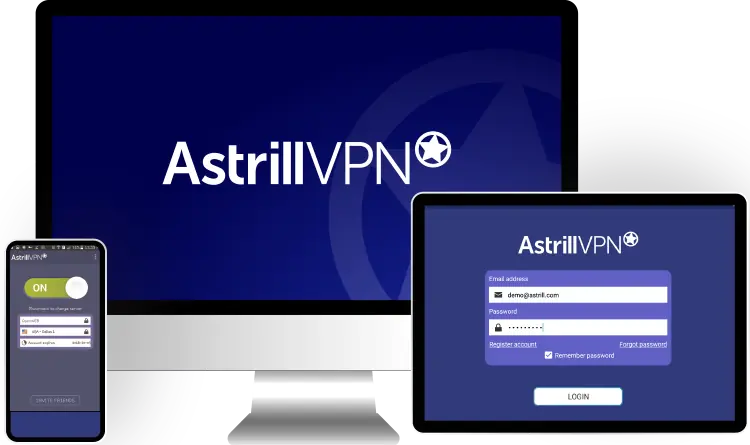
Astrill VPN is great for internet users who want multiple ways to get around internet censorship. The VPN already works extremely well in Iran since it changes the IP addresses of its servers extremely fast. To test this, I connected to a server and ran 7 leak tests on it — each leak test results displayed a different VPN IP address.
I like how you get more than one obfuscation method. Basically, the provider allows you to obfuscate your traffic via 2 proprietary protocols: OpenWeb and StealthVPN. Both protocols are available on most of Astrill VPN’s apps, and they both work very well. But I personally like using OpenWeb more because it’s much more lightweight than StealthVPN — so, it provides faster speeds.

Astrill VPN also has a pretty large server network, numbering locations in 55+ countries. This includes countries near Iran, like Israel, the UAE, and Pakistan. This helps you get fast speeds, and I can confirm the VPN is fast since it always provided me with fast browsing and VoIP speeds. Still, if you’d like access to more locations, try ExpressVPN since it has servers in 100+ countries.
Astrill VPN’s plans start at $12.50/month, so it’s not a good pick if you’re on a budget. In addition, keep in mind the VPN doesn’t have a refund policy.
Bottom Line: Astrill VPN provides obfuscation via 2 proprietary protocols, and it also refreshes its server IPs really fast. In addition, the provider has a pretty large number of server locations and good speeds. However, its prices are pretty steep, and it also lacks a money-back guarantee.
Read my full Astrill VPN review
5. TunnelBear — Good Free VPN for Iran TunnelBear


TunnelBear is a really good free service for Iran. That’s because it’s actually one of the very few free VPNs that works in restrictive countries like Iran without any issues. It manages this by having a very good server IP refresh rate, and by also providing obfuscation via the GhostBear feature. Plus, this provider also has one of the best free plans on the market.

I especially like how the free plan doesn’t limit access to any features. In addition to obfuscation, you also get access to split-tunneling (called SplitBear). And the free version provides access to the VPN’s entire server network, which consists of 5,000+ servers in 45+ countries — including locations near Iran, like Cyprus, Greece, and Kenya. That said, ExpressVPN has servers in more countries (100+), and also more locations near Iran.
And TunnelBear’s apps are also extremely beginner-friendly. They feature a digital map that you can use to quickly connect to different server locations. Plus, all settings and features have helpful explanations, and the apps are also fun to use since they’re full of bear puns! Also, I really like how the VPN allows unlimited simultaneous connections, meaning you can install and use it on as many devices as you want.
Unfortunately, the free plan limits you to just 2 GB per month — this is really only enough for surfing the web. To get unlimited data, you need to upgrade to the paid version, which starts at $3.33/month. Just keep in mind that the provider doesn’t have a refund policy.
Bottom Line: TunnelBear is a really good free provider for people in Iran. It’s one of the few free services that actually works there, and the free version also provides access to all servers and services — but it does limit you to 2 GB per month. Unfortunately, TunnelBear doesn’t have a money-back guarantee.
Read my full TunnelBear review
Quick Comparison of My Top Picks
| Starting Price | Obfuscation | No-Logs Policy | Number of Countries | Free Plan | Refund Policy | |
|---|---|---|---|---|---|---|
| 🥇 1. ExpressVPN | $5.49/month |  | (independently audited | 100+ |  | 30 days |
| 🥈 2. PrivateVPN | $2.00/month | | | 60+ | | 30 days |
| 🥉 3. PureVPN | $2.14/month | | (independently audited | 65+ | | 31 days |
| 4. Astrill VPN | $12.50/month | | | 55+ | | |
| 5. TunnelBear | $3.33/month | | | 45+ | | |
How I Chose the VPNs on This List
- I made sure to only include VPNs that work in Iran. Iran is really good at detecting and blocking VPN connections, so few providers work there. So, I only added VPNs to this list that guarantee that their services work without issues in Iran (and other restrictive countries).
- I prioritized VPNs that are very secure. I only included VPNs that have all essential security features, like military-grade encryption, a strict no-logs policy, a kill switch, and DNS leak protection. Most of my top picks also have advanced security tools, like RAM-only servers that erase all data on each reset, full leak protection, and perfect forward secrecy (offers a different encryption key for each VPN session).
- I looked for VPNs with large server networks. Being able to connect to nearby server locations helps you get smooth VPN speeds. So I made sure to only include VPN services with large server networks. My #1 pick, ExpressVPN, has servers in 100+ countries, including many locations near Iran.
- I only picked fast VPNs. When you use a VPN, your original internet speeds will always slow down a bit. When considering which VPNs to add to my list, I made sure to only include VPN services that maintain fast browsing, streaming, torrenting, and gaming speeds on both nearby and distant servers.
- I prioritized user-friendly VPNs. I only ranked VPNs that have intuitive apps for all major desktop and mobile devices. I made sure to only include providers that make it very simple to find and connect to a server, and also understand what all features and settings do.
- Lastly, I made sure all VPNs offer good value. I prioritized VPNs that are affordable, and provide access to great perks (like good torrenting support, or extra features like split-tunneling or an ad blocker). Also, most of the VPNs on my list come with a generous-money back guarantee (and one even has a free plan).
Why Should I Use an Iran VPN?
These are the main reasons I recommend using a VPN for Iran:
- Secure your web traffic. A VPN will encrypt your internet data, which means it will make it completely unreadable. This way, the government and cybercriminals won’t be able to monitor your online activities.
- Protect your privacy. VPNs stop anyone from seeing your real IP address, which means websites and advertisers won’t be able to track your location. They also won’t be able to associate your online preferences with your IP address.
- Prevent bandwidth throttling. Bandwidth throttling is when your ISP intentionally slows down your speeds when you’re using too much data. But if you use a VPN, your ISP won’t be able to see what online services you’re using, so it won’t be able to selectively slow down your speeds for them.
- Enjoy better gaming. VPNs hide your IP address, so they protect you against Distributed-Denial-of-Service (DDoS) attacks, which force you offline. What’s more, they can also help you get around unfair IP bans.
- Improve your P2P and streaming experience. VPNs are a good way to secure your torrenting activities, as they make your P2P traffic unreadable and stop all seeders and leechers from seeing your real IP address. Also, a VPN would allow you to access your favorite streaming sites and content when you’re traveling abroad.
How Does the Iranian Government Block VPN Services?
The government doesn’t say how, but it most likely uses IP blocks. This means the government has access to databases that contain server IPs from popular VPN providers — either the government compiled the list or it used IP lookup services to create it. The government then forces national ISPs to use automatic scripts to block connections to those server IPs, which prevents VPN users from connecting to them. To get around this issue, top VPNs just refresh their server IPs very fast.
Deep packet inspection (DPI) is also very likely used. This is a type of network traffic analysis that’s able to detect and block VPN traffic. To get around this type of blocking, VPNs use obfuscation — a security feature that makes a VPN connection look like a regular internet connection.
Also, the government might use port-blocking as well. This means forcing local ISPs to block ports that are used by VPN protocols — for example, if they block UDP ports 500 and 4500, VPNs can’t use the IKEv2/IPSec protocol to establish connections. Most top VPNs handle port-blocking by configuring the OpenVPN protocol to use TCP port 443, which is the same port that’s used by HTTPS traffic. Blocking that port isn’t possible, as it’d mean blocking all access to the web.
VPNs That I Don’t Recommend Using in Iran
- CyberGhost VPN. This VPN has strong security features, and it even provides really convenient automation features via its apps. But it unfortunately doesn’t guarantee 24/7 uptime in restrictive countries like Iran.
- Private Internet Access. This provider is extremely intuitive, and it also allows unlimited connections. Plus, it provides high-end privacy. But it sadly doesn’t consistently work in Iran, or other restrictive countries for that matter.
- NordVPN. NordVPN provides excellent security features, including a built-in malware blocker. It also has a huge server network and very fast speeds. But it unfortunately doesn’t guarantee that its service will always work in regions like Iran.
Frequently Asked Questions
Best VPNs for Iran in 2026 — Final Thoughts: Final Thoughts

PrivateVPN


About The Author
Hi! I’m Trevor James, a Canadian YouTuber who travels the world full-time. I make videos about food, travel, and cybersecurity. I have been traveling the world and making videos for over 10 years. You can read more about me here.
Table of Contents
